
Do Kids Need Chiropractic?

Absolutely!  The Occupational Safety and Health Administration (OSHA) stated that by the time a kids turns 13, he/she has on average experienced over 1000 physical traumas to his/her body!  Now, that doesn’t mean that you took your child to the hospital/doctor that many times, but think about it.  When a child is born, is that a traumatizing experience or is it easy?  I know most mom’s, even if they had a c-section, would tell you that their bodies went through A LOT throughout their entire pregnancy.  Well, the baby experienced all of those things as well.  Also, how often do doctors end up using forceps or suction to get the baby out?  Do you think that might have the potential to traumatize their fragile little bodies even just a little?  When kids start to learn how to walk are they fantastic at it or do they fall quite often?  How often do they hit their little heads on things?  If they have siblings, do they rough house at all?  What about sports?  I could go on and on about the potential things that may have created some stress on their bodies, but I think you’re starting to get the point.  Research shows that children who receive chiropractic care are healthier than those who don’t.  A lot of the common childhood illnesses (colic, ear infections, sinus problems, etc.) have been improved by chiropractic care.  It also appears that adults who received chiropractic care as children are much healthier compared to their peers who never experienced chiropractic.  So, one might be able to say that maybe some of the health problems that emerge in adulthood may have been improved by keeping your spine healthy, which in turn helps keep your nervous system healthy and functioning at a higher level, which keeps you healthier overall.  I can tell you that kids respond much quicker than adults do to care.  They also have this uncanny ability to know when they need to be adjusted and when they don’t, especially kids ages 4 and down.  They are so in tune with their bodies, it’s amazing.   There are techniques that have been modified specifically for children as they don’t require the same types of adjustments as most adults do.  Get your child adjusted today!


Summer Grilled Vegetable Pizza


Hands-on Time: 50 min.

Total Time: 60 min.

Ingredients

1 pound refrigerated fresh pizza dough

1 red bell pepper, seeded & quartered

1 (4-ounce) zucchini cut into 1/4-inch thick diagonal slices

1 (4-ounce) yellow squash, cut into 1/4-inch thick diagonal slices

1 small red onion (about 7 ounces), cut into 12 wedges

2 tablespoons olive oil, divided

Cooking spray

1 tablespoon yellow cornmeal

1/2 cup lower-sodium marinara sauce

1/2 teaspoon kosher salt

1/4 crushed red pepper

6 ounces fresh mozzarella cheese, thinly sliced and torn into pieces


Preparation

1. Preheat grill to medium-high heat

2. Remove dough from refrigerator. Let stand at room temperature, covered, for 30 minutes.

3. Place a pizza stone or heavy baking sheet in oven.  Preheat oven to 500 degrees (keep pizza stone or baking sheet in oven as it preheats).

4. Flatten bell pepper pices with hand.  Arrange all the vegetables in a single layer on a large cutting board or baking sheet; brush both sides with 1 1/2 tablespoons oil.  Arrange onion wedges on skewers, if desired.  Arrange vegetables on grill rack coated with cooking spray, and grill for 3 minutes on each side or until crisp-tender and grill marks appear.  Remove from grill.  Coarsely chop bell pepper.

5. Roll dough into a 14-inch circle on a lightly surface, and pierce entire surface liberally with a fork.  Carefully remove pizza stone from oven.  Sprinkle cornmeal over pizza stone; place dough on pizza stone.  Bake at 500 degrees for 5 minutes.  Remove the partially baked crust from oven.  Spread sauce over crust, leaving a 1/2-inch border.  Arrange the vegetables over dough, and sprinkle evenly with salt and crushed red pepper.  Top evenly with cheese.  Carefully return pizza to pizza stone.  Bake at 500 degrees for an additional 12 minutes or until the crust and cheese are browned.  Brush edge of dough with remaining 1 1/2 teaspoons olive oil.  Cut into 6 large slices.

Serves 6

Cooking Light, 2012


Should You Take a Multivitamin?

Taking supplements in general is a greatly debated topic.  There’s research out there that fully supports the need to supplement and research that is inconclusive.  So, what IS the answer?

Vitamins are necessary and essential nutrients your body needs in order to function at an optimal level.  They allow the body to perform numerous chemical reactions that happen in our body 24/7.  Vitamins are the “fuel” for these thousands of reactions.  These reactions play an important role in producing hormones, energy and keeping you healthy.  In order to keep vitamin levels where they need to be, you must consume vitamins each day.  If you become deficient in any of these essential nutrients, you will develop a deficiency disease or symptoms that will lead to health problems.  To ensure adequate intake of these vitamins, you need to have a balanced diet and take a daily multivitamin.

There are 13 essential vitamins; vitamin A, C, D, E, K and the B vitamins known as thiamine, niacin, riboflavin, pantothenic acid, B-6, folic acid, biotin and B-12.  For example, vitamin B-6 and B-12 are used in red blood cell formation and aid in proper brain function.  Vitamin A helps to make collagen, an important protein that keeps teeth, skin, and soft tissues healthy.  Vitamin C is a powerful antioxidant that aids in wound healing and protects the body from harmful free radicals.  Vitamin D is very important for healthy, strong bones and it also plays a key role in immune system function.  Vitamin E also has antioxidant properties.  Vitamin K, riboflavin and folate are necessary for red blood cells to function properly.  Vitamins play critical roles in these and many other numerous reactions to keep the body functioning optimally.

It is true that vitamins are absorbed and processed best from our foods.  Vitamins are naturally found in fruits, vegetables, whole grains, nuts, seeds, fish and vegetable oils. The B vitamins are found in large amounts in leafy green vegetables, beans, peas and in proteins such as fish, poultry, eggs, meat and dairy products. Vitamin C is found in citrus fruits, red and green peppers, tomatoes and broccoli. Vitamin K is found in green vegetables and dark berries. Good sources of vitamin E include vegetable oils, nuts, seeds and leafy green vegetables. Vitamin A is found in both plant and animal products such as colorful fruits and vegetables, liver and whole milk. Vitamin D is found in egg yolks, saltwater fish and liver. Vitamin D is also made by your body when you are in sunlight.  So if vitamins occur naturally in these foods, why do we need to supplement?

Many medical professionals and nutritionists argue that supplements are necessary because:

  • People don’t eat enough fruits and vegetables
  • People eat processed foods, which lack essential nutrients
  • Soil is depleted of essential nutrients that our food is grown in
  • Pregnant women and the elderly need more vitamins than food provides
  • Taking medications can interfere with vitamin absorption

I really believe that supplementation is necessary even if you are eating a balanced diet because our foods are not what they use to be.  Research has shown that our fruits and vegetables can be close to 400% – 600% less nutrient dense than what they were 50 years ago.  This is because commercial farmers are planting hybridized seeds that will produce higher yielding crops.  It’s been argued that this trend began because of the population boom that occurred 50 years ago.  Irregardless the situation, it’s unfortunate that our foods are less nutrient dense as a result.  A study showed that women 50 years ago could qcquire the full daily recommended allowance of vitamin A by eating just 2 peaches.  Today, women would have to consume 53 peaches in order to achieve the daily recommended allowance.  Who can eat that much fruit or vegetables in one day?  Not only would that be extremely time-consuming, but it would also be expensive.  This is why we need to supplement.

It is also true that vitamins are not created equally.  This is not a regulated industry by the FDA either, which has pro’s and con’s to it.  What you should be looking for as a consumer is a brand that is GMP (Good Manufacturing Practice) certified.  GMP certified means that company follows a criteria for production and testing of products to ensure a quality product.  These guidelines have gone through a country’s legislation.  Our product line is GMP certified.  The raw ingredients are tested before production to ensure that what we’re utilizing to create the product is really what we’re saying it is, and we also test the finished product to ensure that what we say you’re getting is really what you’re getting.  Our products are 99% natural, which is as natural as you can get when producing a supplement.  Here’s the link to our multivitamin pack:

http://products.advancedbodydynamics.com/daily-boost-df-60-pkt/

In conclusion, due to lack of nutrients in our produce, poor diet practices and medication usages being so high in America, we absolutely need to supplement with a multivitamin to ensure that we’re getting all of the essential vitamins to stay healthy.

Chiropractic Care – Once You Start, You Can Never Stop?

A lot of people are under the impression that chiropractic care is addictive and once you start care you can never stop.  Another thought process is that you don’t need chiropractic care until you start getting adjusted, then you need it forever so you’re better off not starting it at all.

First of all, chiropractic care is not addictive.  People might get used to actually feeling better; more balanced, less stressed and more energetic, but I don’t believe that is a problem.  Do you?  Would you really complain if you actually felt better everyday?  As far as never being able to stop care goes, I leave that entirely up to the patient.  When a patient comes into my office, they have a couple of choices to make.  One, do they want to receive chiropractic care at all?  Two, once they start, do they want to be done once the symptoms are gone and come back once the symptoms return?  And finally, once the symptoms are gone, do they want to continue on with maintenance to make sure that the symptoms never return?

Honestly I believe the reason why this is such an issue is because of lack of education on what chiropractic is really all about.  Let me ask another question?  Do you see a dentist twice a year even if you feel there is nothing wrong with your teeth?  I know some of you haven’t been to a dentist in a long time because that’s not the most exciting appointment for you.  Answer this question though, do you brush your teeth on a daily basis even if your teeth don’t bother you?  I know that everyone brushes their teeth at least once a day and many of us actually brush at least twice a day.  Why do we do this?  Well, we were taught growing up that it’s just something that we do for good hygiene and the health of our teeth.    Now, if all of you teeth fell out and you could replace them with dentures, would you ultimately lose your health?  Some clever people know that in order for all of your teeth to have fallen out there probably was a problem with your health to begin with and I agree.  However, the main purpose of our teeth is to start the digestive process.  So, let’s just say for simplicity sake that all of your teeth were knocked out due to a trauma.  This clears the issue of having a health problem prior to the teeth falling out.  Now if I asked you the same question as above, if all your teeth fell out and you could replace them with dentures, would you have ultimately lost your health?  What would your answer be?  Probably “no.”  That is correct.  So, let’s look at another component of the body, your nervous system.  Your brain, spinal cord and all of your nerves make up your nervous system.  The main job of the nervous system is to tell your entire body, each and every cell, what to do and when to do it.  It also receives a ton of information from the entire body to tell it what is happening so that the brain then knows what to tell the body to do in each situation.  Now, if something happened in the body that caused an interference with those communication pathways, do you think we would have a bigger problem?  A problem that ultimately would affect our health?  YES!  It doesn’t matter what you are doing for health if your body can’t communicate to the brain and the brain can’t communicate to the body.  That interference is called a “subluxation” or a “misalignment” and is something that chiropractors have been trained extensively on.  They have learned how to detect them and how to correct them.

This is why I believe in maintenance care.  We want to maintain the health of the nervous system because without it functioning properly our overall health decline.  So, you answer the question.  Is chiropractic care important?  And, is it something that I should never stop?  The fate of your health is ultimately in your hands.  What are you going to do with it?

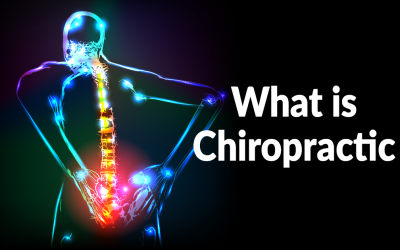
Chiropractic, what is it?

For a quick, scientific definition, Chiropractic is the science of locating areas of spinal misalignment (also known as joint dysfunction or subluxation), the art of correcting them and the philosophy of helping your body heal naturally.

Your body is subject to numerous traumas throughout each day.  There are two categories of traum; micro and macro.  Micro-trauma occurs through the way you sit, stand, sleep or exercise.  Lifting wrong, working too much and STRESS all have impacts on your spine.  Macro-traumas are more apparent types of traumas that come from things like car accidents, sports injuries or bad falls.  Both types of traumas can result in misalignments of the spine.  Your spine is the lifeline to your nervous system.  These misalignments irritate your nervous system.  Your nervous system controls every single cell in your body.  It has been said that a mere 10% of your nervous system conveys the message of pain, which means the other 90% is controlling all of your body’s functions.  The way we breathe, digest, see, hear, move and all other functions are controlled by our nervous system.  So, if we irritate a nerve that conveys the message of pain, we will feel pain as a result.  However, if we irritate a nerve that controls a particular function we will not feel pain at all.  We will just not function properly.  Correcting these misalignments and removing the irritation/interference from the nervous system will allow your body to operate at its maximum ability on all levels.

Stay tuned to this blog for further details about chiropractic.  I will be covering some of the frequently asked questions in the upcoming weeks.

New York Strip Steaks with Crushed Carlic and Tennessee Barbecue Sauce

 Prep Time: 10 minutes

 Grilling Time: 6 to 8 minutes

 Ingredients

4 New York strip steaks, about 8 ounces each & 1 inch thick

3 medium garlic cloves

1/2 teaspoon kosher salt

3 tablespoons extra virgin olive oil

1 tablespoon finely chopped fresh rosemary

2 teaspoons coarsely ground black pepper


Sauce

1/2 cup ketchup

1 tablespooon Jack Daniel’s whiskey

1 tablespoon steak sauce

1 tablespoon dark brown sugar

1 teaspoon Worcestershire sauce

1/4 teaspoon granulated garlic

1/4 teaspoon kosher salt

1/4 teaspoon freshly ground black pepper

Preparation

1. To make the sauce: In a small heavy-bottom saucepan, whisk the sauce ingredients with 1/2 cup water.  Bring to a simmer over medium-high heat, then reduce the heat and simmer for 10 minutes, stirring occasionally.

2. Trim most of the exterior fat from the steaks.  Allow to stand at room temperature 20 to 30 minutes before grilling.

3. Roughly chop the garlic, and then sprinkle the salt on top.  Using both the sharp edge and the flat side of the knife blade, crush the garlic and salt together to create a paste.  In a small bowl, mix the garlic paste with the oil, rosemary, and pepper.  Smear the mixture evenly all over the steaks.

4. Grill over Direct High heat until cooked to desired doneness, 6 to 8 minutes for medium-rare, turning once (if flare-ups occur, move the steaks temporarily over Indirect High heat).  Remove from the grill and let rest for 3 to 5 minutes.  Serve warm with the sauce on the side.

Makes 4 servings

Weber’s “Real Grilling”

The Naked Truth…

Why won’t people go barefoot?  I have heard a multitude of reasons, but am going to breakdown just the most common ones for you in today’s blog.


Reason #1:


“I pronate, which is a bad thing.” I have SO many patients that come to me and say that they “pronate” and that’s why they have their problems.  Let’s clarify; pronation is a NORMAL part of the gait cycle (the cycle of taking one step forward).  This is where the ankle looks like it’s rolling inward.  The opposite of pronation is suppination or where the ankle looks like it’s rolling outward.  This too is a NORMAL part of the gait cycle.  Where we run into problems is when these 2 components of the gait cycle get out of rhythm.  They both are suppose to happen but in certain timings of the gait cycle.  People have also heard that they “over-pronate.”  This is what they call it when your ankle always seem to be rolling inward.  This actually could be a problem.  The opposite would be “over-suppinaiton” or when the ankle always seems to be rolling outward, which can too be potentially problematic.  The take home here though is that the foot and ankle are suppose to go through both of these motions while taking a step forward.  The key is they need to happen in a normal rhythmic fashion.


Reason #2


“I have flat feet.” Ok, well this could be potentially problematic as well.  What I have learned though through my clinical experience is that things aren’t always as them seem.  Meaning, just because the foot may appear like it’s flat doesn’t mean that the foot is not functioning properly.  It’s like me saying without seeing x-rays of a patient’s back that they have too much curve in their low back.  You have no idea what the bones look like underneath all of the skin, fat, muscle and other tissues that make up the body.  Does that make sense?  So, I will make a note that a patient appears to have a flat foot, but I’m more interested in if the foot can actually function properly.  This means that the foot behaves properly while going through the gait cycle that I mentioned above.  I test the musculature of the feet to see if it’s firing properly and also look at the alignment of the 27 bones of the foot to see if they are all moving properly.  If both of these systems are in check, then the “flat” foot is actually functioning just fine.  If not, then we work on both of these systems to restore them back to harmony so that the foot can once again function normally.


Reason #3


“I have orthotics and was told that I can never go barefoot again.”  Doesn’t that just sound wrong when you read it to yourself?  I know that there are plenty of you out there that are in orthotics and have been told this indeed.  I believe that orthotics serve a purpose, but I don’t believe that we were meant to have to live in them for the rest of our lives.  They, just like a brace for the knee, are suppose to be a temporary splint that the body needs while it repairs or we re-train it to function properly again.  I have used orthotics for patients that suffer from a severe case of plantar fascitis, which is severe pain on the bottom of the heel.  The reason why they’re used in this situation is to help reduce the inflammation of the plantar fascia.  To explain more, a common reason why you get plantar fascitis is due to the muscles of the foot not coordinating the movement of the bones in the foot.  When this happens, you can picture the bones crashing down on the plantar fascia with every step, which will eventually irritate that tissue.  What an orthotic does is block the motion of the foot, meaning it keeps the bones from crashing down on the plantar fascia, which would obviously decrease the stress on that tissue and calm down the inflammation.  This is great, but if we don’t re-train the muscles how to control the movement of the bones in the feet, you will have to wear the orthotics for the rest of your life.  Ok, so back to the point…did you read the part just mentioned where it says orthotics block the motion of the foot?  This is where the problem comes in.  The foot was designed to absorb shock that’s produced with every step we take.  Now, if we keep the foot from doing it’s job by wearing an orthotic, then the feet are not going to be absorbing shock with every step, right?  So where do you think we absorb that shock?  It doesn’t just simply go away…we start absorbing it in other joints in are body that were not designed to absorb that shock.  What is this going to do to those joints long term?  I would say that it’s going to cause extra wear and tear on those joints, which is going to help deteriorate them and cause inflammation in them, which will lead to pain.


I hope that this information helps to stimulate your brain to start asking more questions.  Please let me know what questions you have about going barefoot and I will answer them to the best of my capability.


Call to schedule:

303-790-7650


 Powered by Max Banner Ads 

Free Newsletter

Email Marketing You Can Trust

Office Hours:

Mon
9 - 6:30
Tues
9 - 6:30
Wed
9 - 6:30
Thur
9 - 6:30

Call now: (303) 790-7650